Bead crafts with your kid: Age guide 4-12 years
What can a 5-year-old do? How independent are 9-year-olds? Realistic age guide for bead boards from 4 to 12 years — and what grown-ups need to help with.
Beads are for all ages — but not in the same way
Bead boards are one of those hobbies that follow kids from when they're small to well into their school years. But how you make them changes significantly. Here's a realistic age guide based on what typically works — and what grown-ups need to help with.
4-5 years: Learn and feel
Bead size: MAXI (the big ones). Small fingers can hold them, and the pegs are easy to hit.
What they can do: Place beads on a board — happily free-form without a pattern. It's about feeling, sorting by color, and being proud of building something.
What you do: Set up the board, hold it steady, and iron at the end. And praise every single bead.
6-7 years: The first "real" pattern
Bead size: MIDI (standard). Fingers are now precise enough.
What they can do: Follow a simple pattern (10×10 to 20×20 beads). Recognize colors from the code. Hold focus for 20-40 minutes.
What you do: Pick or print a pattern — like a sunflower, a ladybug or a small animal. Sit next to them and help whenever there's doubt. You iron.
8-9 years: Independence kicks in
Bead size: MIDI or MINI for the patient ones.
What they can do: A whole pattern from start to finish. From 29×29 beads up to large 60×60. Read Hama codes. Sustain a project across multiple days.
What you do: Help with planning ("enough beads?") and with ironing. Otherwise let them drive. Be impressed.
10-12 years: Their own projects
Bead size: All three.
What they can do: Make their own patterns from a photo or image on Perleland.dk. Design their own motifs. Make gifts, decorations, art. Help younger siblings.
What you do: Iron (still you — heat). Stay close, but otherwise pull back. Let them fail and learn.
General advice for all ages
- Always let an adult iron. Even with older kids — hot iron + impatience = accidents.
- Start small. A finished small pattern beats a half-done big one.
- Allow breaks. Kids burn out. Let them come back the next day.
- Show pride. Hang it up, give it as a gift, photograph it. This is their art.
Ready to find a pattern?
You can pick from the finished patterns on Perleland.dk, or you can upload one of your own images and get a personal pattern in seconds. Both are free.
Read next
- Bead patterns for beginners – 5 easy patterns to start with
- How to iron perler beads – temperature, time and baking paper – step by step
- Mini, midi or maxi? – how to choose the right bead size
Kid-friendly patterns to start with
These are all easy enough for the youngest — with a little grown-up help for the ironing:
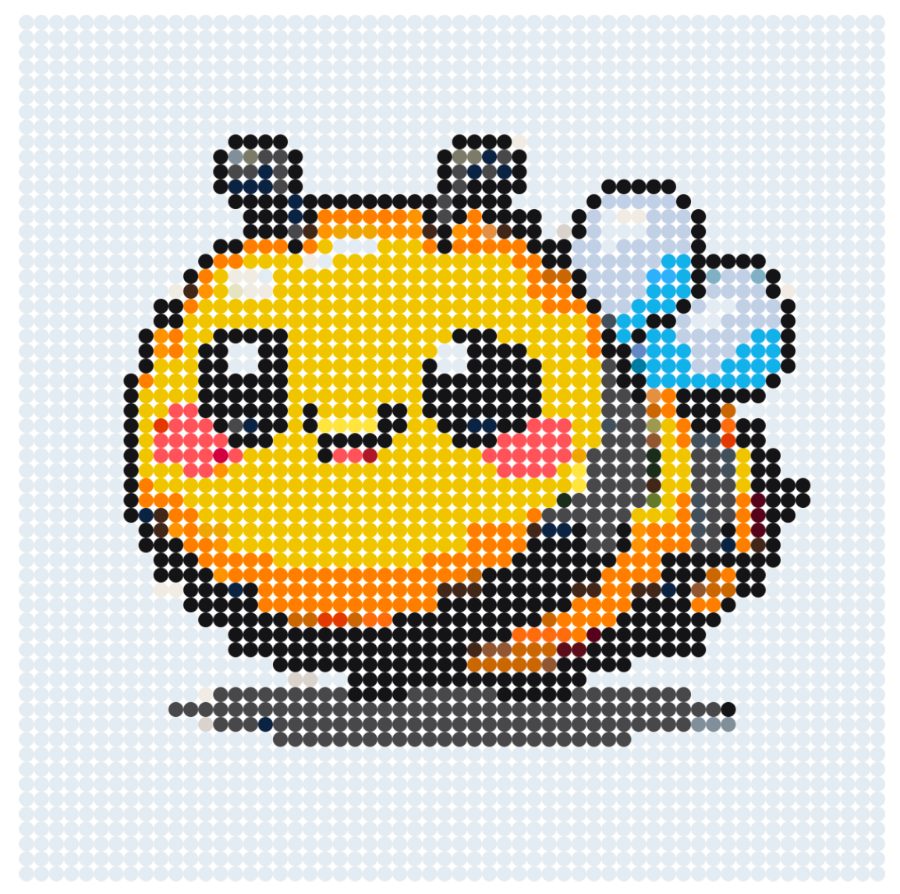 Little happy bee
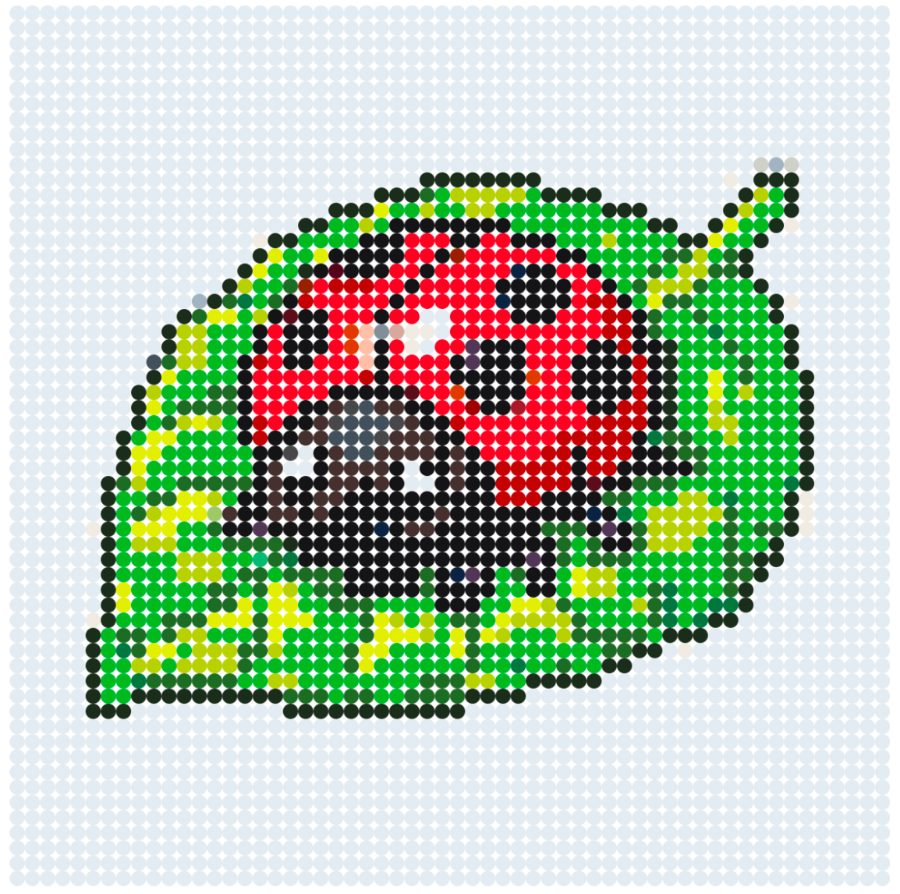 Ladybird on a green leaf
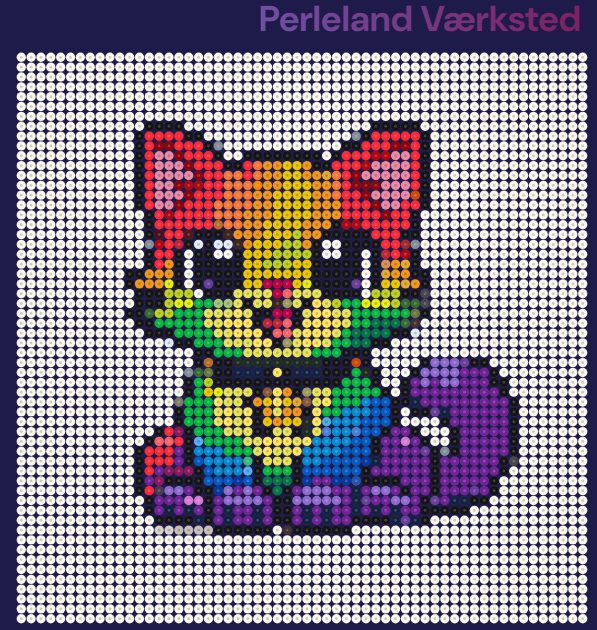 Rainbow cat
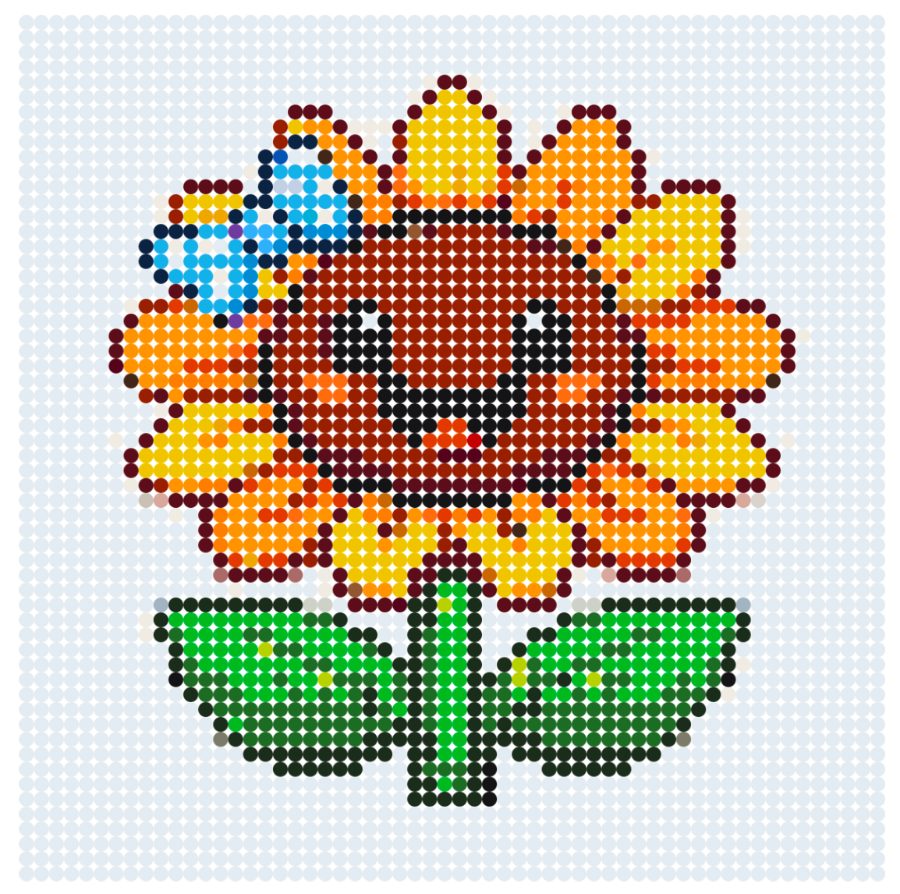 Happy smiling sunflower
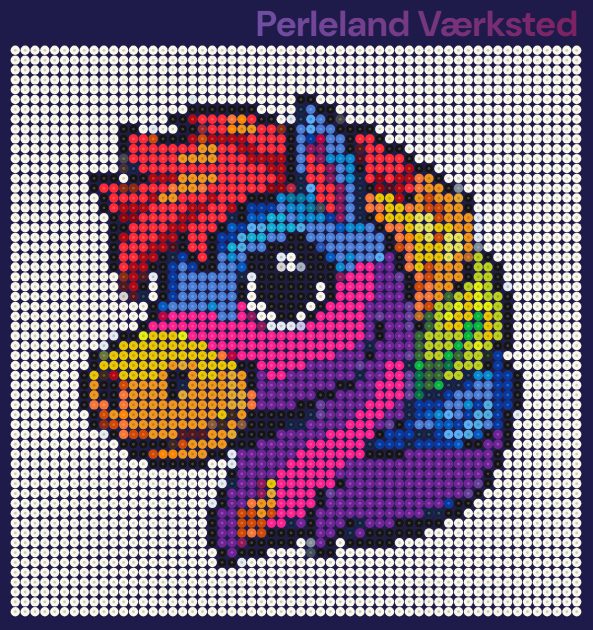 Rainbow horse
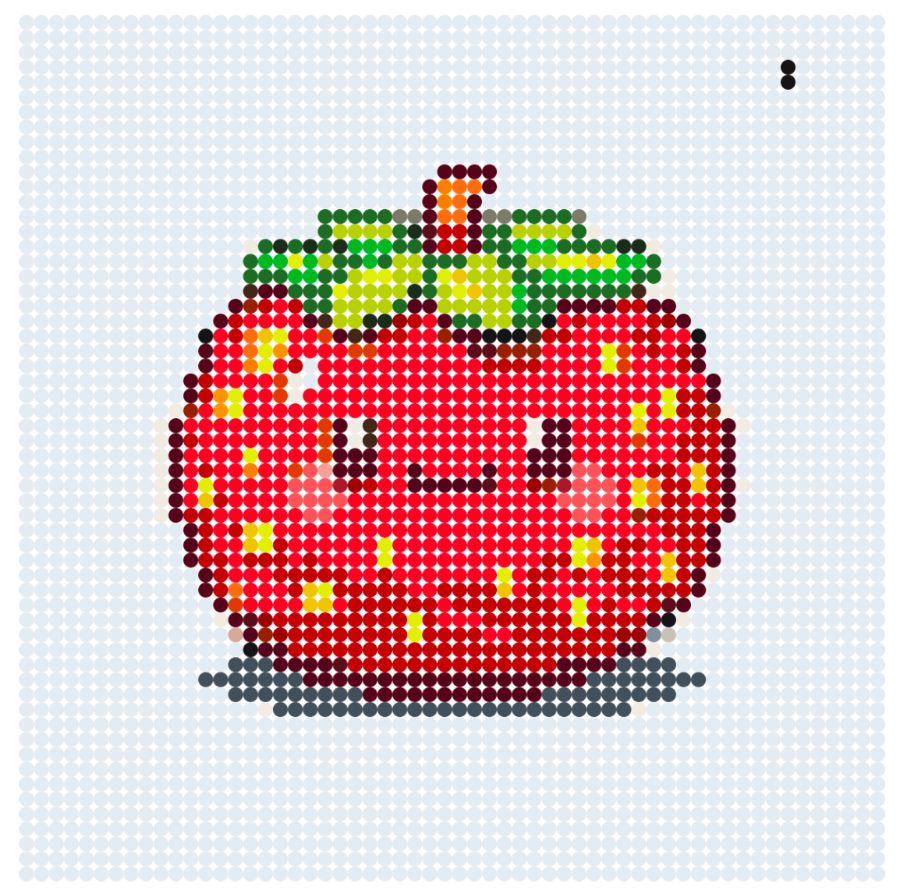 Cute smiling strawberry